
 Tweet
Tweet
http://www.rattlesnakebite.org/index.htm
http://www.rattlesnakebite.org/rattlesnakepics.htm
Warning these pictures are graphic.
I received this story via email and thought I'd share it. Snake bites are deadly. During a SHTF event, believe me this will be an issue that all of us must deal with.
The above quote is the recommendations of http://www.webmd.com/a-to-z-guides/snakebite-treatment
However the following video intrigued me. In the PAW taking a snakebite victim to the ED is not a great possibility. I do not in anyway recommend the use of the plants mentioned in this video. I can find no scientific evidence to support the treatments outlined in the video. So if you use this you're on your own. So don't sue me.
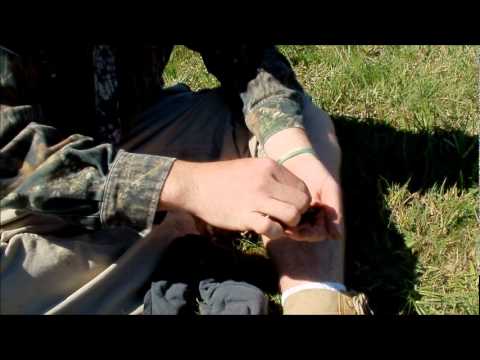
The rattlesnake master grows in the mid west. However you can order a plant for your personal use.
http://en.wikipedia.org/wiki/Eryngium_yuccifolium
http://www.rattlesnakebite.org/rattlesnakepics.htm
Warning these pictures are graphic.
I received this story via email and thought I'd share it. Snake bites are deadly. During a SHTF event, believe me this will be an issue that all of us must deal with.
Get away from the snake to prevent a second bite or a second victim. Snakes can continue to bite and inject venom with successive bites until they run out of venom.
Identify or be able to describe the snake, but only if it can be done without significant risk for a second bite or a second victim.
Safely and rapidly transport the victim to an emergency medical facility unless the snake has positively been identified as harmless (nonvenomous). Remember, misidentification could be fatal. A bite without initial symptoms can still be dangerous or even fatal.
Provide emergency medical care within the limits of your training.
Remove constricting items on the victim, such as rings or other jewelry, which could cut off blood flow if the bite area swells.
If you are in a remote area in which transport to an emergency medical facility will be prolonged, you should apply a splint to the affected limb. If you do apply a splint, remember to check periodically to ensure that it is not cutting off blood flow. Check to make sure toes and fingers are still pink and warm, that the limb is not going numb, and that pain is not getting worse.
If you have been bitten by a dangerous elapid and have no major local wound effects, you may apply a pressure immobilizer. This technique is mainly used for Australian elapids or sea snakes. Wrap a bandage at the bite site and up the extremity with a pressure at which you would wrap a sprained ankle. Then immobilize the extremity with a splint, with the same precautions concerning limiting blood flow. This technique may help prevent life-threatening systemic effects of venom, but may also worsen local damage at the wound site if significant symptoms are present there.
Applying mechanical suction (such as with a Sawyer Extractor) is highly unlikely to remove any significant amount of venom, and may increase tissue damage. This is in contrast to past recommendations by many experts.
The two guiding principles for care often conflict during evacuation from remote areas.
First, the victim should get to an emergency care facility as quickly as possible because antivenom (medicine to counteract the poisonous effects of the snake's venom) could be life-saving.
Second, the affected limb should be used as little as possible to delay absorption of the venom.
A number of old first aid techniques have fallen out of favor. Medical research supports the following warnings:
Identify or be able to describe the snake, but only if it can be done without significant risk for a second bite or a second victim.
Safely and rapidly transport the victim to an emergency medical facility unless the snake has positively been identified as harmless (nonvenomous). Remember, misidentification could be fatal. A bite without initial symptoms can still be dangerous or even fatal.
Provide emergency medical care within the limits of your training.
Remove constricting items on the victim, such as rings or other jewelry, which could cut off blood flow if the bite area swells.
If you are in a remote area in which transport to an emergency medical facility will be prolonged, you should apply a splint to the affected limb. If you do apply a splint, remember to check periodically to ensure that it is not cutting off blood flow. Check to make sure toes and fingers are still pink and warm, that the limb is not going numb, and that pain is not getting worse.
If you have been bitten by a dangerous elapid and have no major local wound effects, you may apply a pressure immobilizer. This technique is mainly used for Australian elapids or sea snakes. Wrap a bandage at the bite site and up the extremity with a pressure at which you would wrap a sprained ankle. Then immobilize the extremity with a splint, with the same precautions concerning limiting blood flow. This technique may help prevent life-threatening systemic effects of venom, but may also worsen local damage at the wound site if significant symptoms are present there.
Applying mechanical suction (such as with a Sawyer Extractor) is highly unlikely to remove any significant amount of venom, and may increase tissue damage. This is in contrast to past recommendations by many experts.
The two guiding principles for care often conflict during evacuation from remote areas.
First, the victim should get to an emergency care facility as quickly as possible because antivenom (medicine to counteract the poisonous effects of the snake's venom) could be life-saving.
Second, the affected limb should be used as little as possible to delay absorption of the venom.
A number of old first aid techniques have fallen out of favor. Medical research supports the following warnings:
Do NOT cut and suck. Cutting into the bite site can damage underlying organs, increase the risk of infection, and does not result in venom removal.
Do NOT use ice. Ice does not deactivate the venom and can cause frostbite .
Do NOT use electric shocks. The shocks are not effective and could cause burns or electrical problems to the heart.
Do NOT use alcohol. Alcohol may deaden the pain, but it also makes the local blood vessels bigger, which can increase venom absorption.
Do NOT use tourniquets or constriction bands. These have not been proven effective, may cause increased tissue damage, and could cost the victim a limb.
Do NOT use ice. Ice does not deactivate the venom and can cause frostbite .
Do NOT use electric shocks. The shocks are not effective and could cause burns or electrical problems to the heart.
Do NOT use alcohol. Alcohol may deaden the pain, but it also makes the local blood vessels bigger, which can increase venom absorption.
Do NOT use tourniquets or constriction bands. These have not been proven effective, may cause increased tissue damage, and could cost the victim a limb.
However the following video intrigued me. In the PAW taking a snakebite victim to the ED is not a great possibility. I do not in anyway recommend the use of the plants mentioned in this video. I can find no scientific evidence to support the treatments outlined in the video. So if you use this you're on your own. So don't sue me.
The rattlesnake master grows in the mid west. However you can order a plant for your personal use.
http://en.wikipedia.org/wiki/Eryngium_yuccifolium
Comment