 Tweet
Tweet
Story #1
Last year 49 tornadoes struck our state in one day to say the least everyone knew someone who had suffered. We were on scene as a family in under 30 minutes working to help some friends. We began the task of collecting, planning and accessing within minutes. We worked until dark when the authorities told us we had to leave. The homeowner was going to stay put so we transferred supplies from the truck and bags to him as most of his stuff was damaged, lost or just gone like his roof. We noticed we couldn't find the wife. We located her in the roofless bedroom frantically scrubbing and cleaning and actually she had done a fantastic job on a 4x4 foot area. She was commited that it had to happen before dark and was refusing to leave until the whole bedroom was clean.
Story #2
As a Soldier I encountered a wreck of other Soldiers and one had an arm that was bent at a 90 degree un-natural angle and had 1/2 of a skillcraft pen stuck in his cheek with a constant blood flow out of it. "How bad is the HUMVVE Sarge?" How about we get you back to base. "Why? I'm ok!"
Story #3
Christmas Eve, a wreck in which a 6 yr old girl is partially decapitated on the top portion of her head. The scene is worked, I'm off and out of pocket until 4 hrs later when I receive a call at 2am from another Officer who I considered a friend. He got off shift and went to get out of his unit to go enjoy Christmas with his family, including a girl the same age, in a few hours. The issue was his feet were stuck to the floorboard. He didn't remember spilling his soda while responding and then discovered it was coagulated blood holding him in place from the girl. He leaves his driveway goes back into town parks and calls in tears, screams and babbling.
Story #4
Tried to perform CPR and lost. I later threw up into a trash can and then looked at another trash can in the room and utterly destroyed it beyond recognition with my hands and feet.
So what do all these have in common. Mental shock. The breakdown of the mind after a traumatic event causing un-normal actions or reactions. EVERYONE has a breaking point and it will be reached at different times for different reasons and the reaction will be different.
So why is this important and what does it have to do with survival and preparedness?
During SHTF events no matter the size, scope or cause we will all react differently. Some will make it thru the event to only later fall apart, some will fall before things really get bad. Knowing the people around you and yourself will make the difference in how you act, react, assign tasks, and assist in the healing to get back to "normalcy" the final goal.
How do you treat it. First off I'm no Doctor, just have some life experiences. There is no cookie cutter pattern of what to do. One thing I know for sure is SOMETHING has to be done and fast. If someone reaches out to you then they need calm, solid, firm but reassuring talk and alot of listening as they sort it out in their minds. They don't need blame, negativity, criticism or sly remarks. Laughter is ok after a point but only after the hump is crossed over in their minds. They don't need a D.I. mentality telling them what a ...... they are though it may take a firm or rude awakening to snap them back into the world.
As Soldiers return we understand PTSD more and more with each war it seems. Just because the initial stress is overcome things don't always just go away and left unchecked and not fully dealt with they will reoccur for sure and even then it may not heal. Be prepared to deal with that issue as well.
Sorry no coolio gear or tacticalness blackout stuff in this post folks.
Story #1, The wife divorced the husband within days, stress related
Story #2 All recovered fully
Story #3 The Officer retired and still had issues
Story #4 I still whip an occasional trash can but they usually have it coming LOL no seriously GTG but I know Mr Control lost it that night because he didn't win. Gods will, not mine, I'm slow on the uptake sometimes.
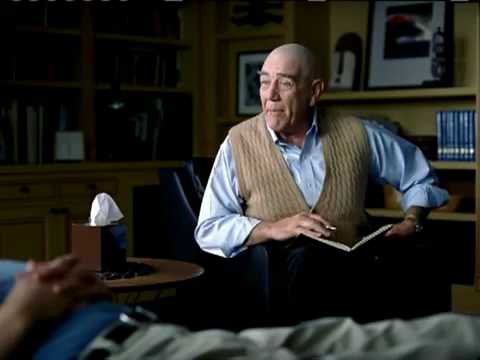
Last year 49 tornadoes struck our state in one day to say the least everyone knew someone who had suffered. We were on scene as a family in under 30 minutes working to help some friends. We began the task of collecting, planning and accessing within minutes. We worked until dark when the authorities told us we had to leave. The homeowner was going to stay put so we transferred supplies from the truck and bags to him as most of his stuff was damaged, lost or just gone like his roof. We noticed we couldn't find the wife. We located her in the roofless bedroom frantically scrubbing and cleaning and actually she had done a fantastic job on a 4x4 foot area. She was commited that it had to happen before dark and was refusing to leave until the whole bedroom was clean.
Story #2
As a Soldier I encountered a wreck of other Soldiers and one had an arm that was bent at a 90 degree un-natural angle and had 1/2 of a skillcraft pen stuck in his cheek with a constant blood flow out of it. "How bad is the HUMVVE Sarge?" How about we get you back to base. "Why? I'm ok!"
Story #3
Christmas Eve, a wreck in which a 6 yr old girl is partially decapitated on the top portion of her head. The scene is worked, I'm off and out of pocket until 4 hrs later when I receive a call at 2am from another Officer who I considered a friend. He got off shift and went to get out of his unit to go enjoy Christmas with his family, including a girl the same age, in a few hours. The issue was his feet were stuck to the floorboard. He didn't remember spilling his soda while responding and then discovered it was coagulated blood holding him in place from the girl. He leaves his driveway goes back into town parks and calls in tears, screams and babbling.
Story #4
Tried to perform CPR and lost. I later threw up into a trash can and then looked at another trash can in the room and utterly destroyed it beyond recognition with my hands and feet.
So what do all these have in common. Mental shock. The breakdown of the mind after a traumatic event causing un-normal actions or reactions. EVERYONE has a breaking point and it will be reached at different times for different reasons and the reaction will be different.
So why is this important and what does it have to do with survival and preparedness?
During SHTF events no matter the size, scope or cause we will all react differently. Some will make it thru the event to only later fall apart, some will fall before things really get bad. Knowing the people around you and yourself will make the difference in how you act, react, assign tasks, and assist in the healing to get back to "normalcy" the final goal.
How do you treat it. First off I'm no Doctor, just have some life experiences. There is no cookie cutter pattern of what to do. One thing I know for sure is SOMETHING has to be done and fast. If someone reaches out to you then they need calm, solid, firm but reassuring talk and alot of listening as they sort it out in their minds. They don't need blame, negativity, criticism or sly remarks. Laughter is ok after a point but only after the hump is crossed over in their minds. They don't need a D.I. mentality telling them what a ...... they are though it may take a firm or rude awakening to snap them back into the world.
As Soldiers return we understand PTSD more and more with each war it seems. Just because the initial stress is overcome things don't always just go away and left unchecked and not fully dealt with they will reoccur for sure and even then it may not heal. Be prepared to deal with that issue as well.
Sorry no coolio gear or tacticalness blackout stuff in this post folks.
Story #1, The wife divorced the husband within days, stress related
Story #2 All recovered fully
Story #3 The Officer retired and still had issues
Story #4 I still whip an occasional trash can but they usually have it coming LOL no seriously GTG but I know Mr Control lost it that night because he didn't win. Gods will, not mine, I'm slow on the uptake sometimes.

Comment