
 Tweet
Tweet
 Gas Stations
Im a petroleum tech so Im going to share a bit of info with yall about gas stations , on how they work and the equipment . I had posted this else where a year or 2 ago figured Id share here but with a bit better layout .
This is a work in progress .
This thread is to explain how stations work , a few tips to get cleaner fuel and what to look for.
OK First things first Gas Pumps are not the same as Dispensers . Most modern Stations Have what are called Submersible Turbine Pumps or STP for short . Normally Each tank has one STP which provide fuel to all the dispensers for that product . But of course there are exceptions to every rule , I just installed 2 stations in NC that have real gas pumps or pumps in the dispenser . Most of the time you can hear a pump in a dispenser , they are fairly loud compared to a dispenser on a STP.
Dispensers ... errr Pumps to most ppl
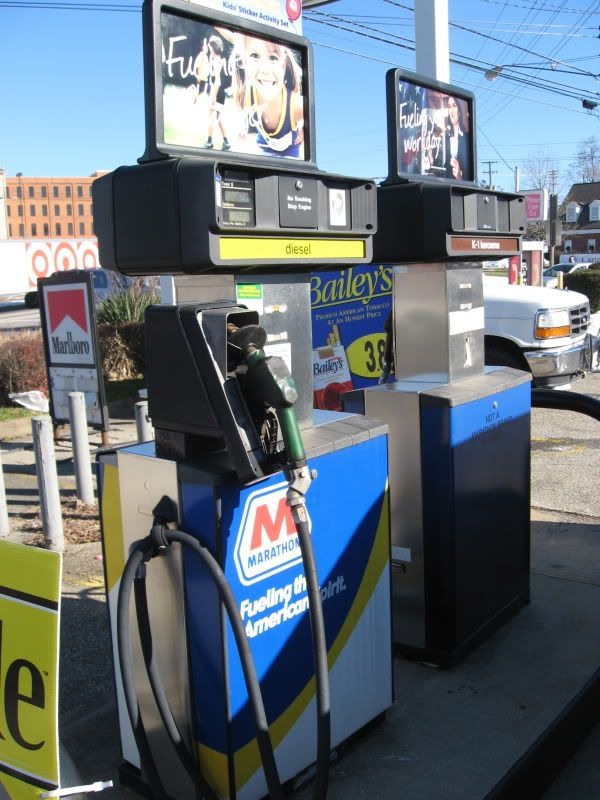
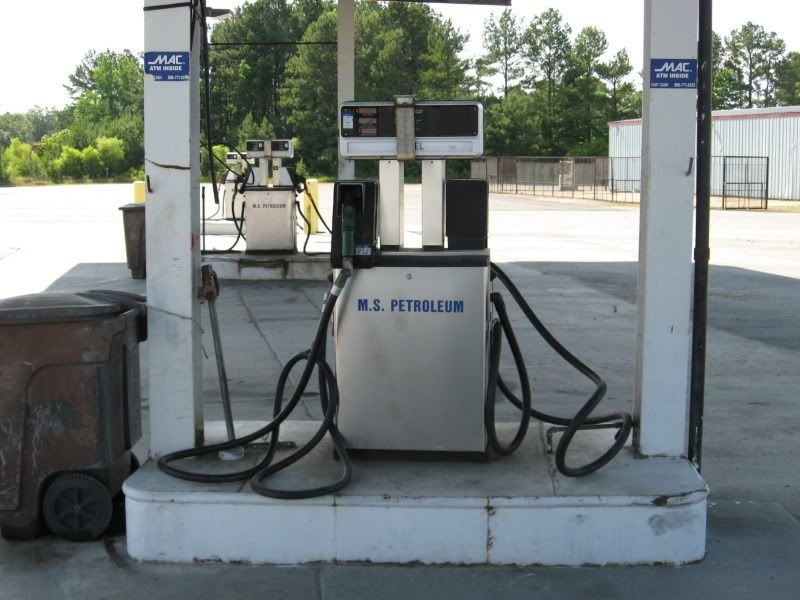
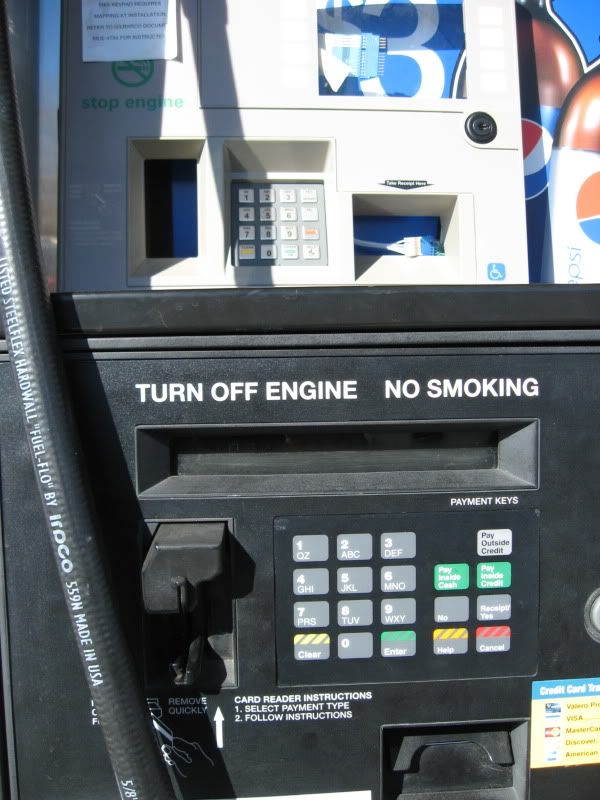
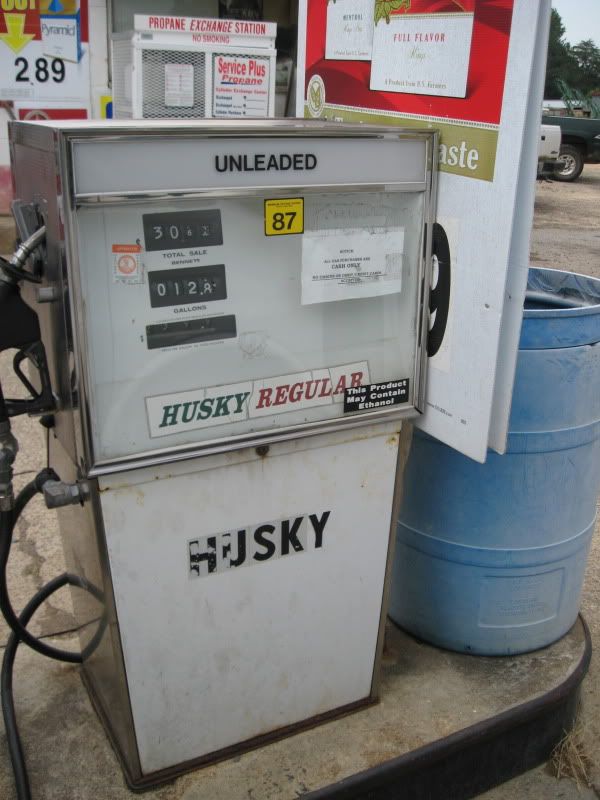
This is about simplest dispenser ,
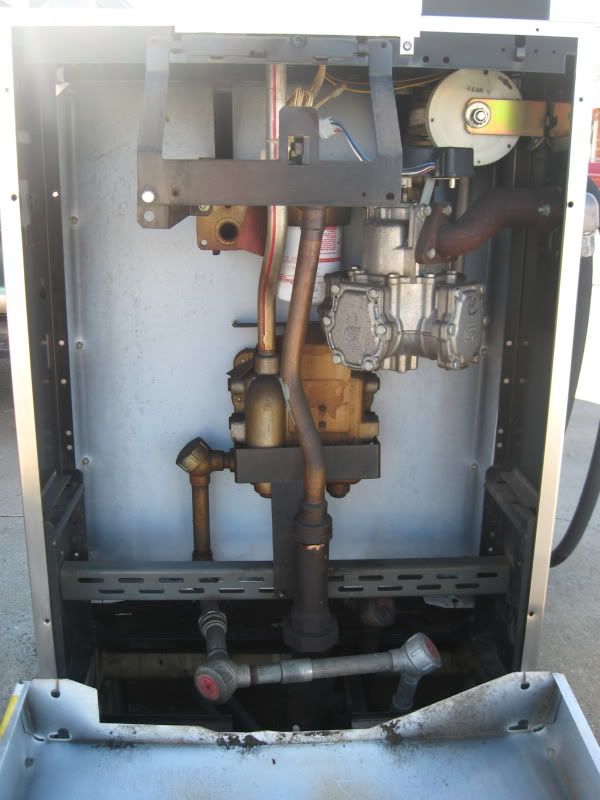
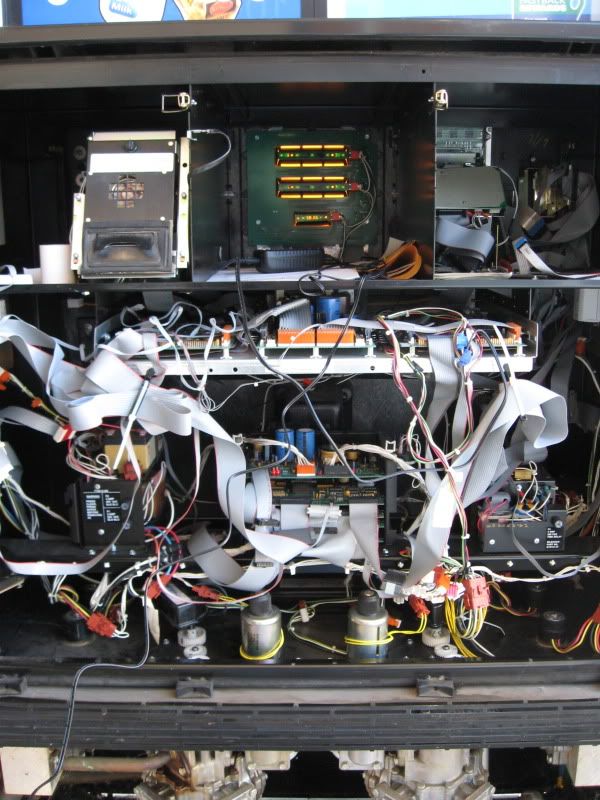
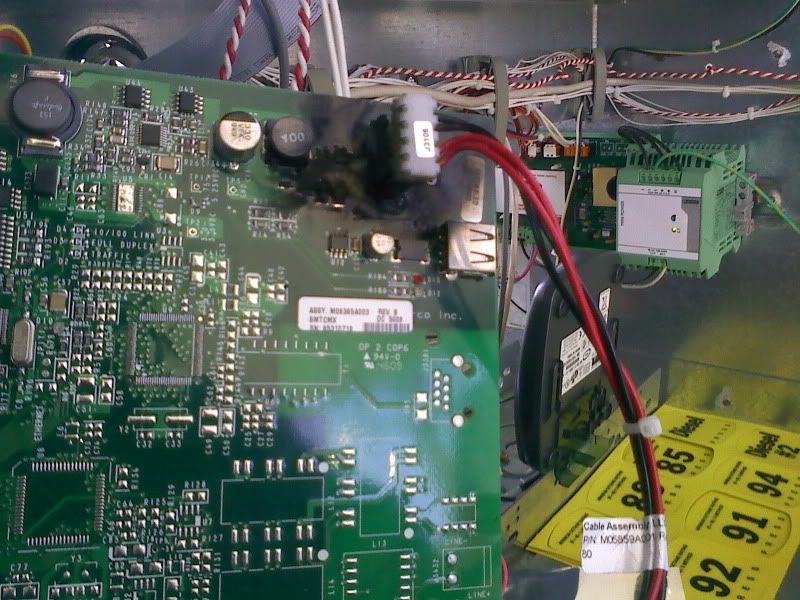
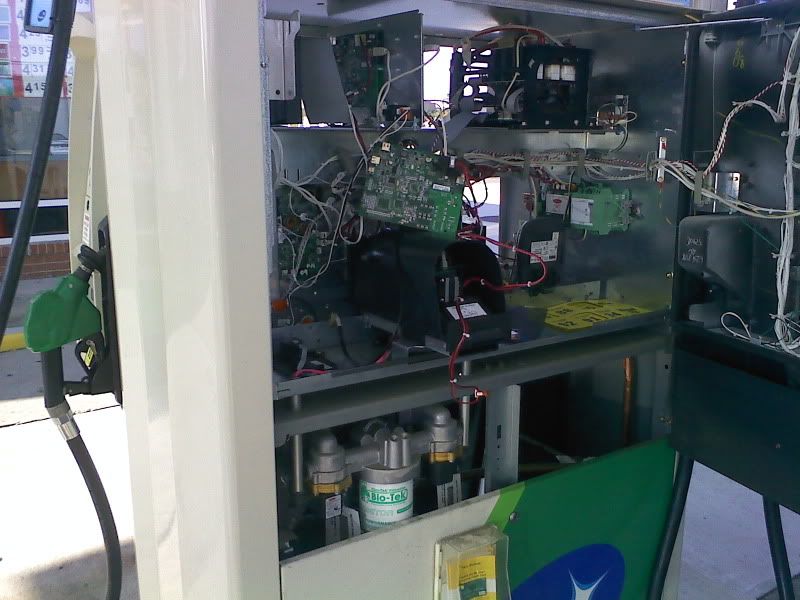
A look in side , no pump in here , theres a incoming line , a meter which measures the fuel , a filter and a 2 stage valve.
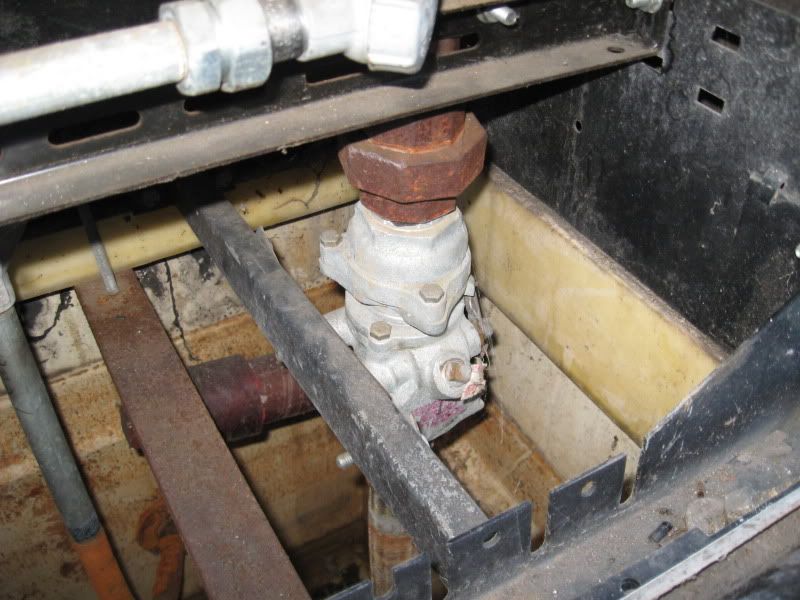
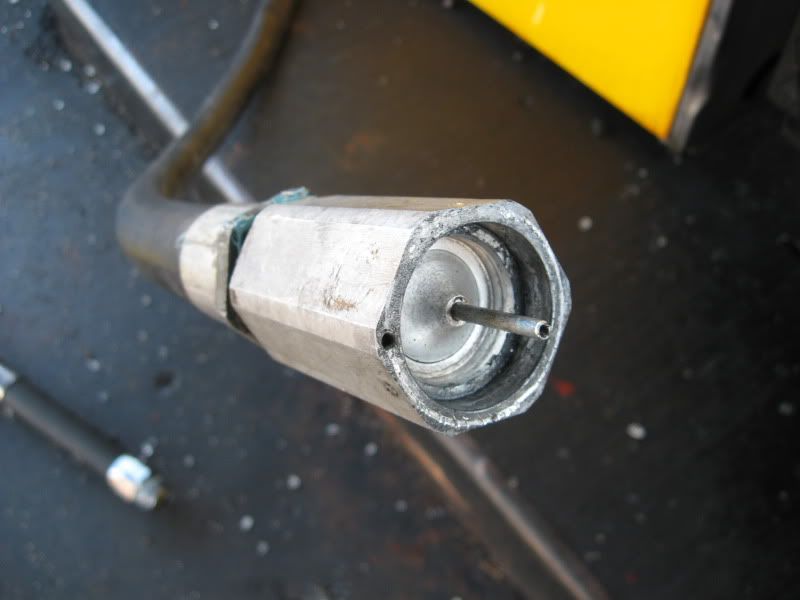
A shear valve or Impact Valve . It cuts the flow of fuel off it shook hard .... car hitting the pump to prevent a gas fountain . Note the test port. Cant remember the pipe size for it right now .. maybe 1/4 or a size bigger standard pipe thread.
Standard dispensers flow 6-10 gals per minute
Ultra High flow truck stop dispensers 12 to 60 gals per minute ... How yall diesel owners love these babies , fill the tank in less then a minute and your done ..STOP DO NOT FILL YOUR TRUCK ON THESE . They are unfiltered and most of the time no strainers either ... I have spent literally days cleaning gunk out of these that goes directly in your tank .
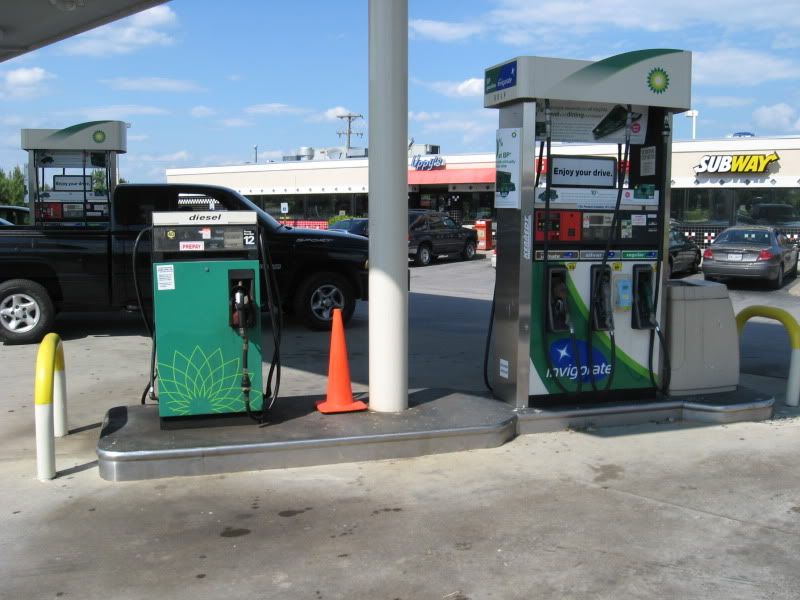
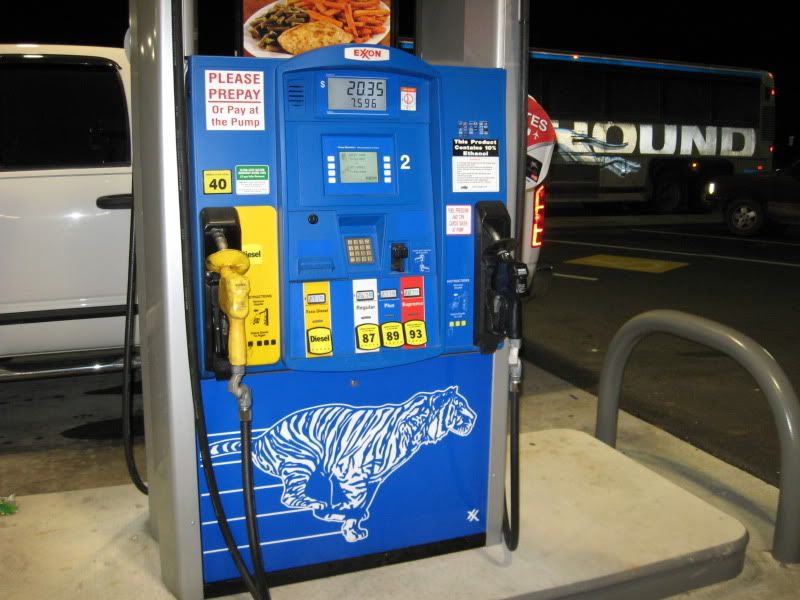
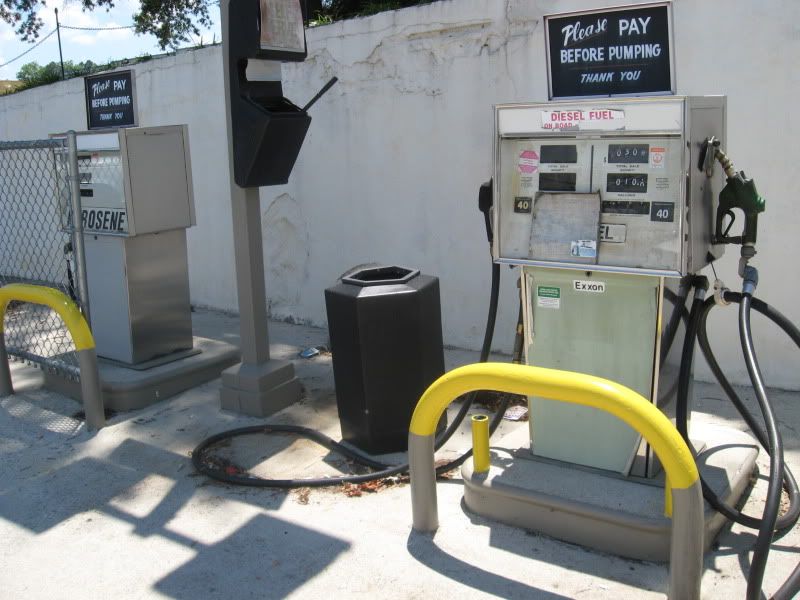
Pumps like this is what you should get diesel on ... doesnt have to be that model of pump but note the how it has both diesel and gas , we call these 3+1 of 5+1s depending on the model . In other words it can blend 3 or 5 "grades" of gas plus have a totally separate product. .... thats my truck
What does it take electrically
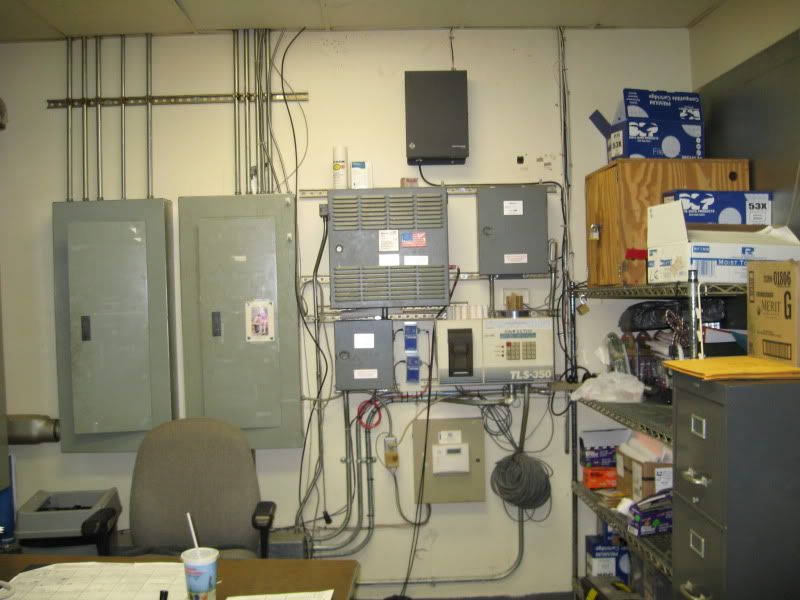
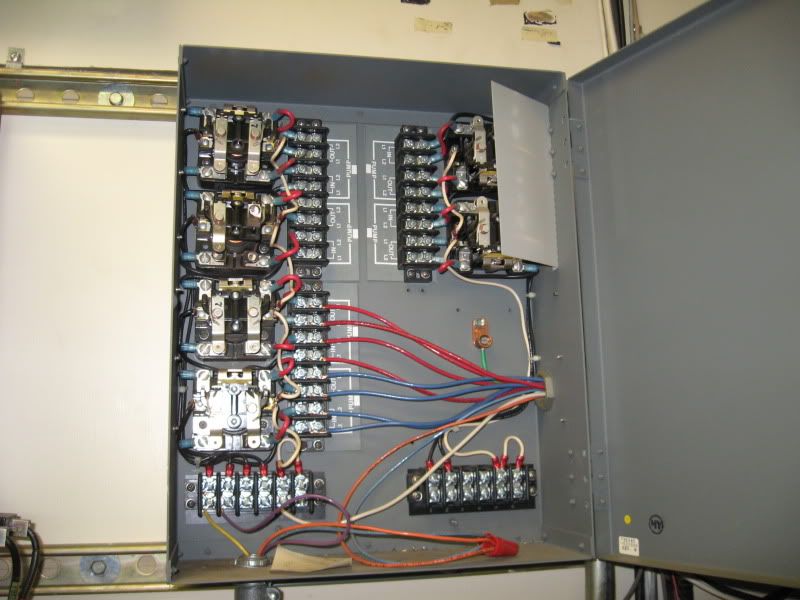
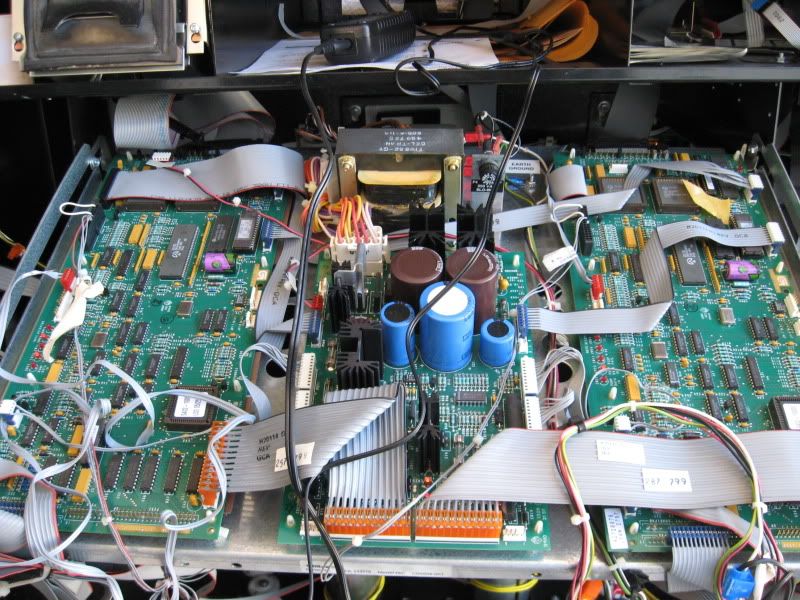
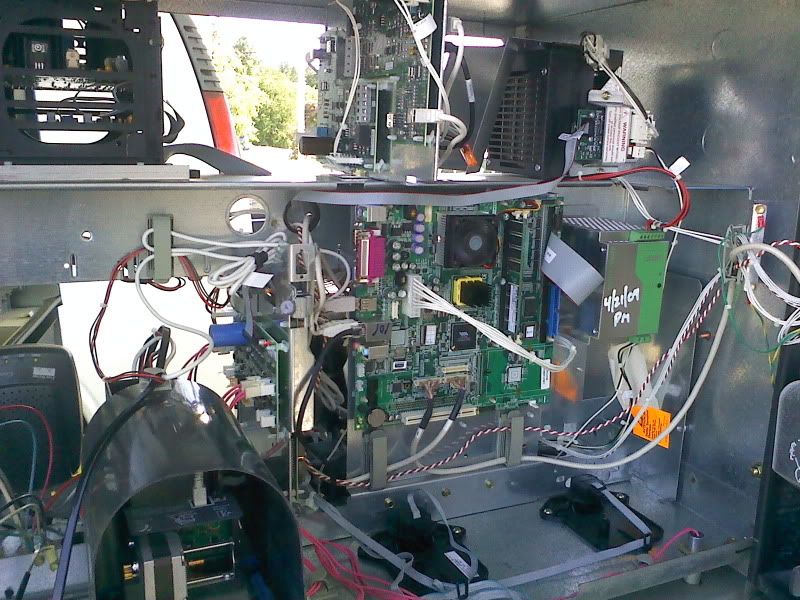
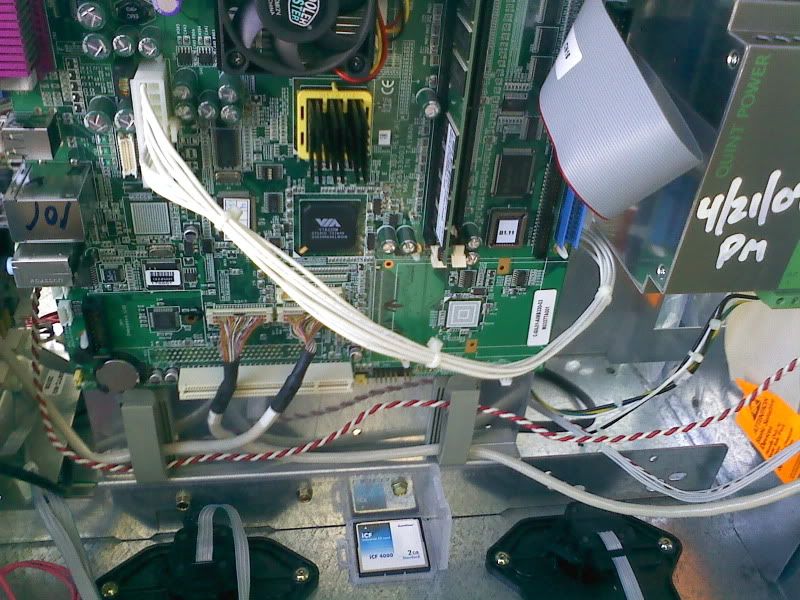
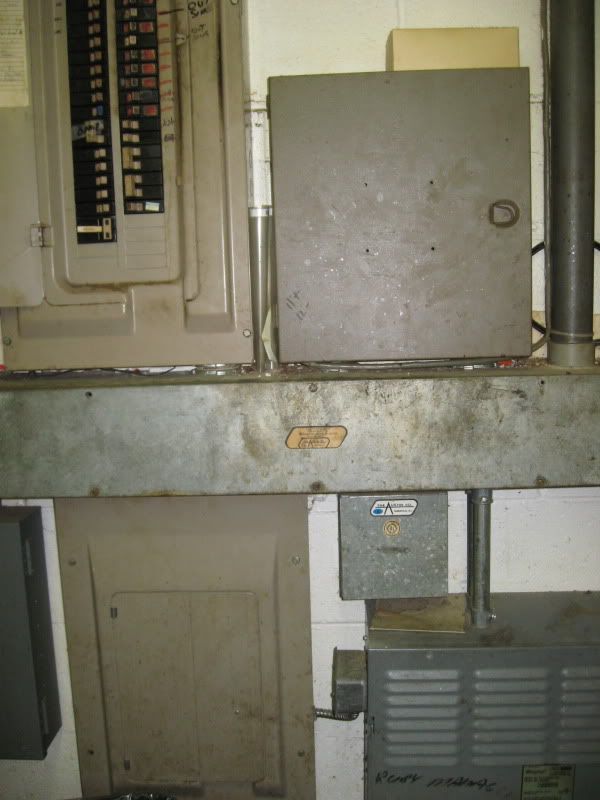
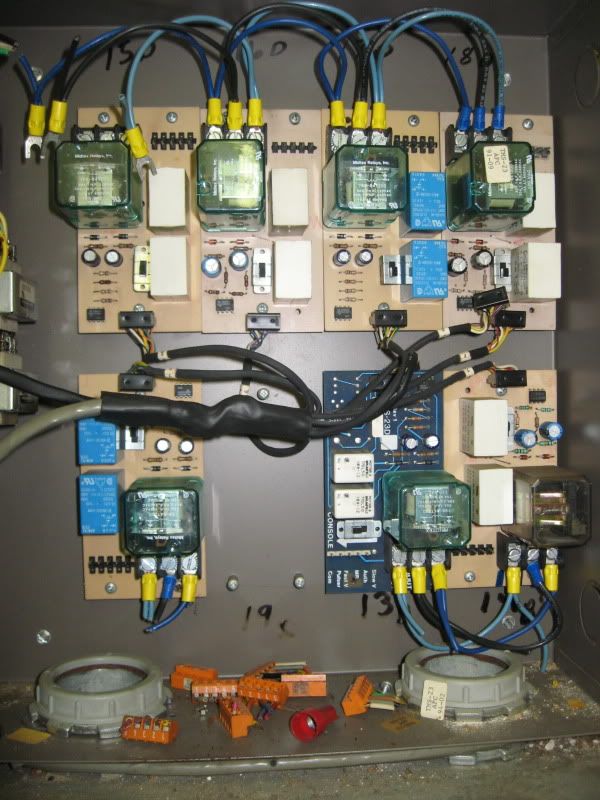
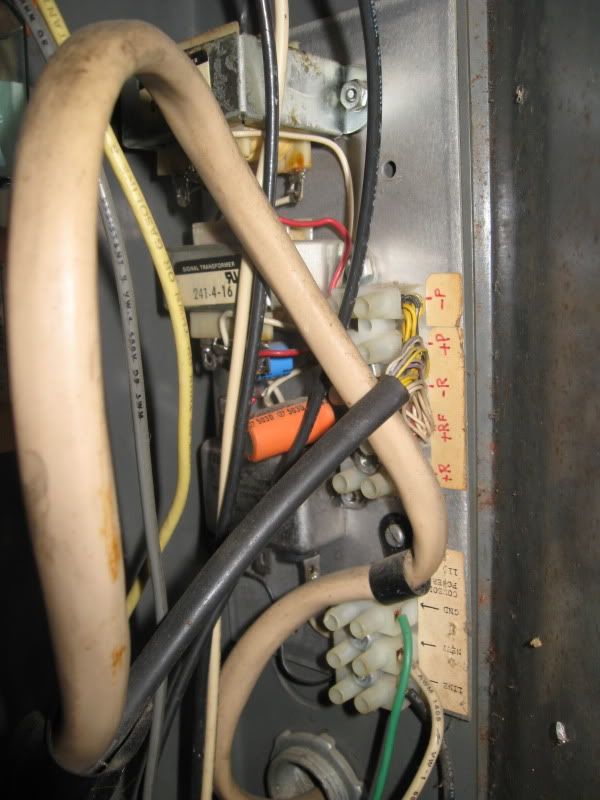
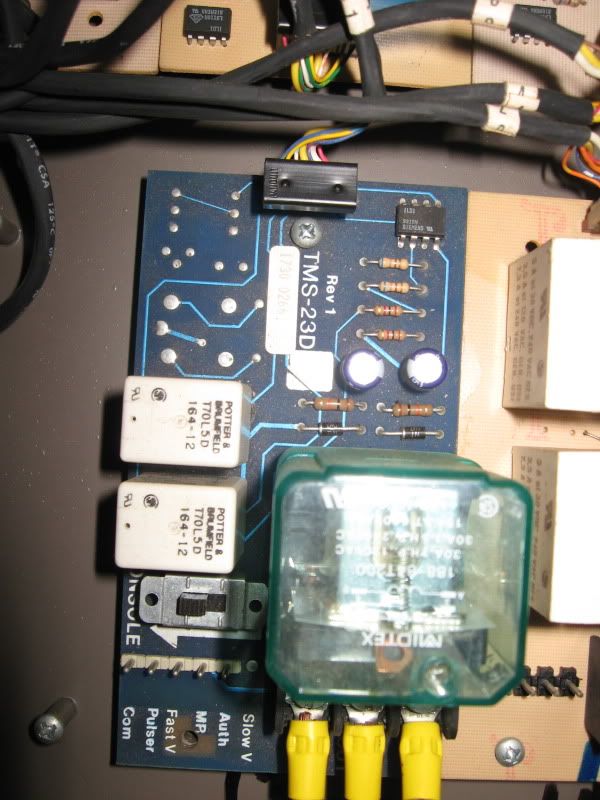
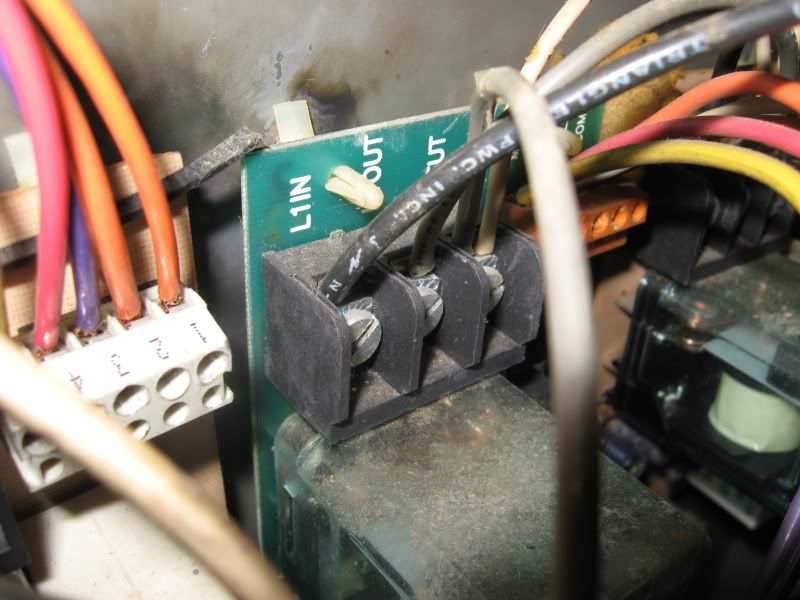
The back room of most modern gas stations built in the last 20 years , Breaker panels , Communication boxes for the Credit side and the pump side of a Dispenser , tank monitor , Relay boxes and various other sub systems . One failure back here can easily take down the entire site.
The first pic is of a typical WAYNE brand equipment site about 15 years old the 2nd is of a Gilbarco brand equipment site 15-10 years old.
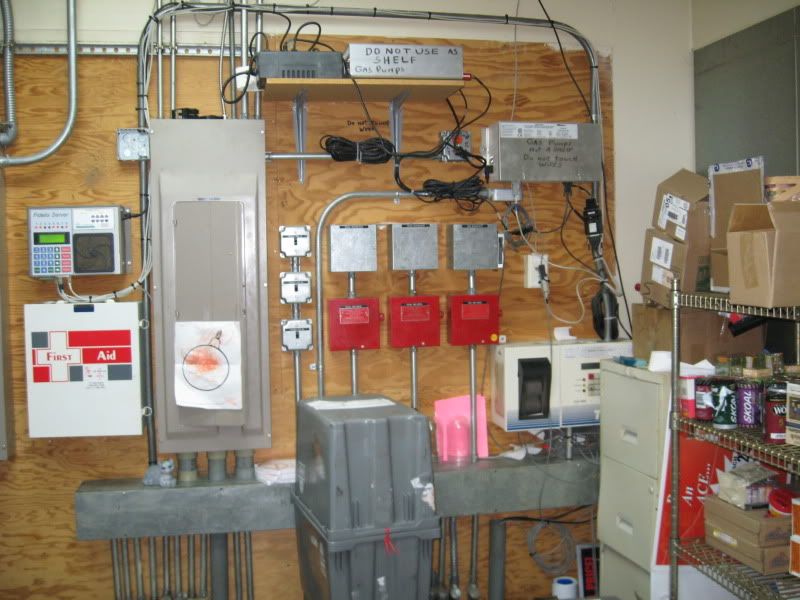
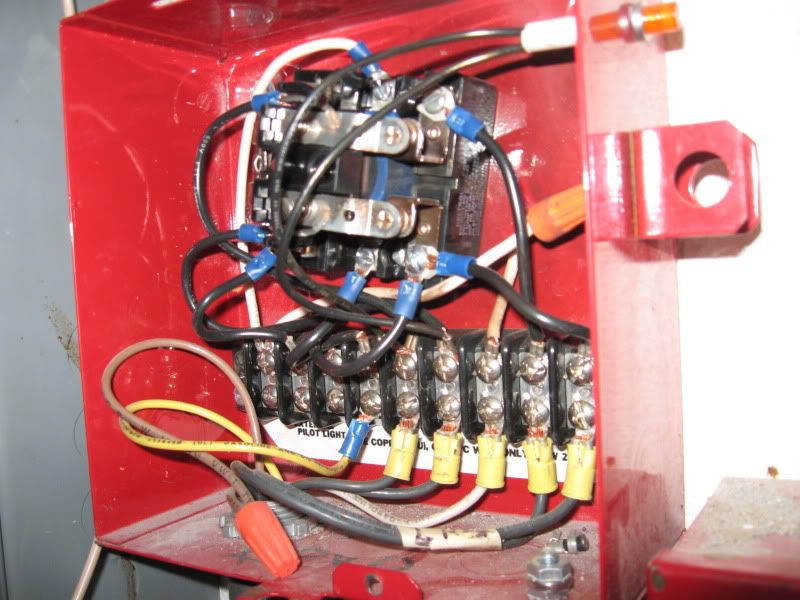
A close up of the standard relay we use for STPs . 220-240 volt .. 120 of course per leg and is activated by a 120 volt signal . The STP pulls about 5 amps depending on size .. no less then 3amps no more the 6.5 amps . If its not in that spec theres something wrong.
Tank fields
Cap colors
White =Regular 87
Blue = Midgrade 89-91
Red = Premium 93
Yellow= Diesel
Brown = Kero
Green = Offroad dsl
Typical Tank field , note theres a Premium Midgrade and Regular tank here . Note the extra manhole covers , more on them in a later pic.
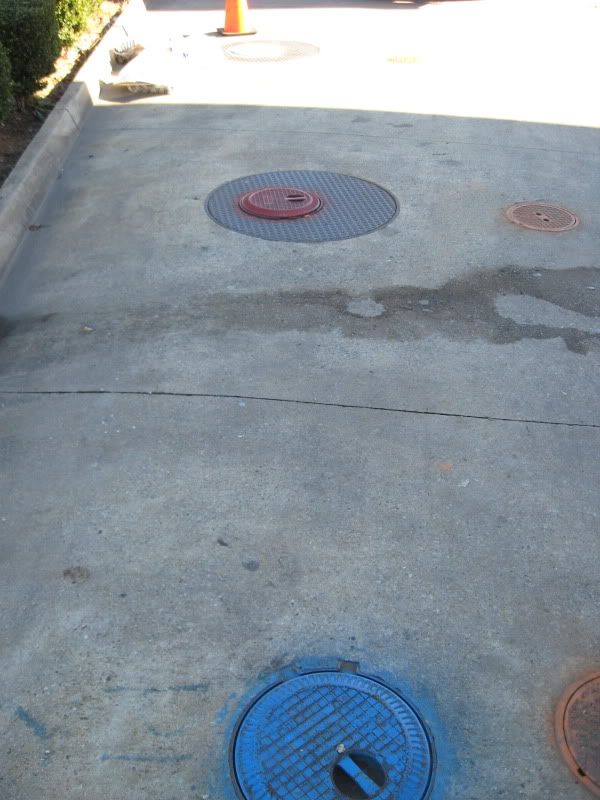
Heres another tank field , A regular tank and a premium Tank ....... where did the midgrade go ... they are selling midgrade.... This is a blended site the dispensers mix the premium and the regular to make midgrade . If you are a midgrade buyer be somewhat cautious of these sites . There is a little fudge factor in a most blends . 89 oct for instance is allowed from 65% reg 35% premium to 70%,30% .... Some Brands mandate a certain blend , BP and Exxons mandate that there sites run 65 35 , shell 66 34 most others its a crap shoot. I have been to sites that have been way out of spec on purpose to give the customer more regular in which case I got the MAN involved , I hate thieves.
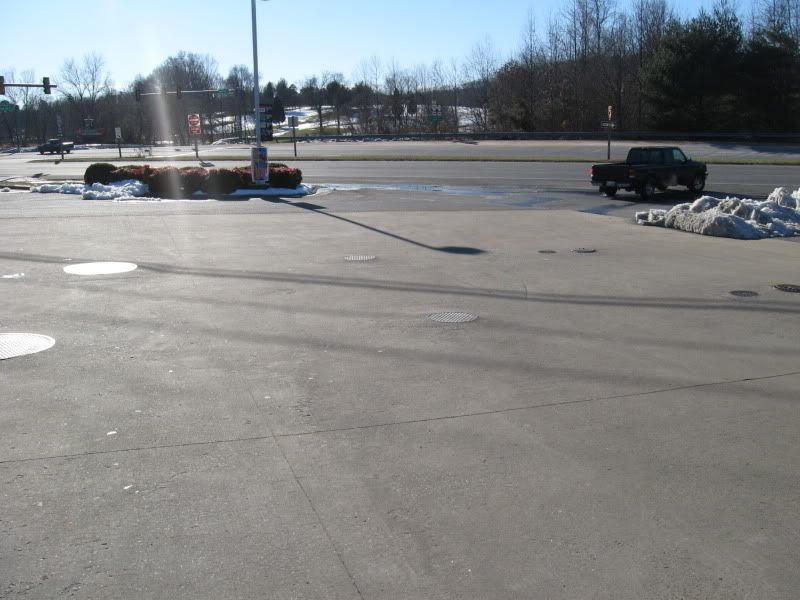
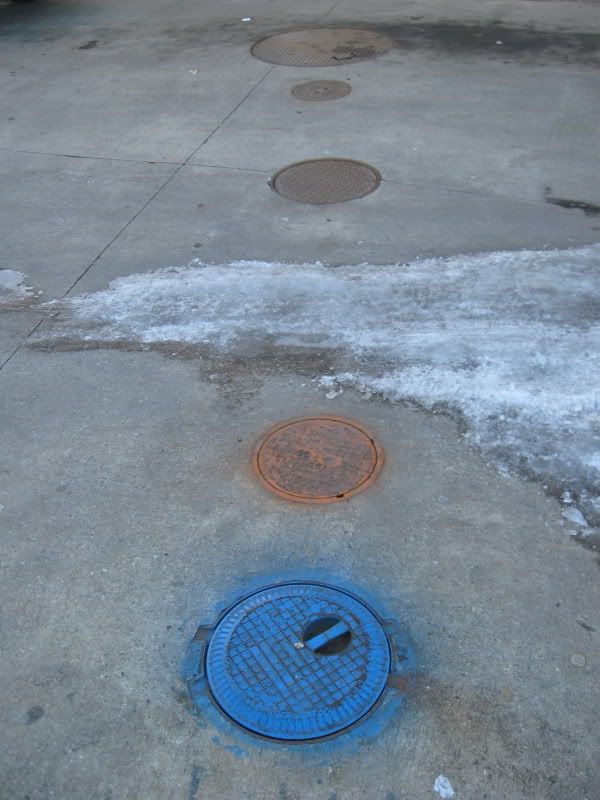
Ok heres a tank layout . The first hole "Blue" is where the fuel is droped , the second is vapor recovery that has a plunger valve that prevents fuel from being dropped there but vapor to escape when the driver connects the vapor recovery line to it and to the truck. The next cap is where the probe for the tank monitor is located , the next one here is for the tank wall access to install sensors between the inner and outer tank walls on a double walled tank. The big one on the end is where the STP head is located , more on that in a later pic.
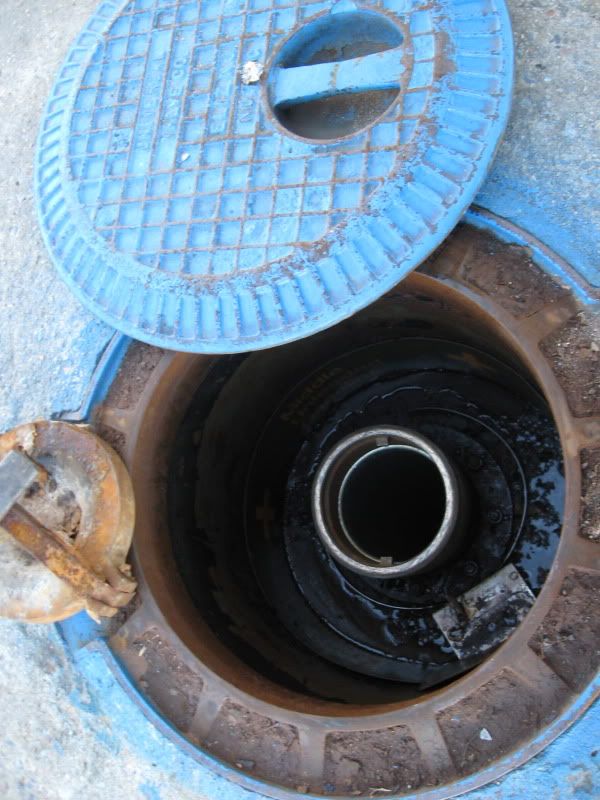
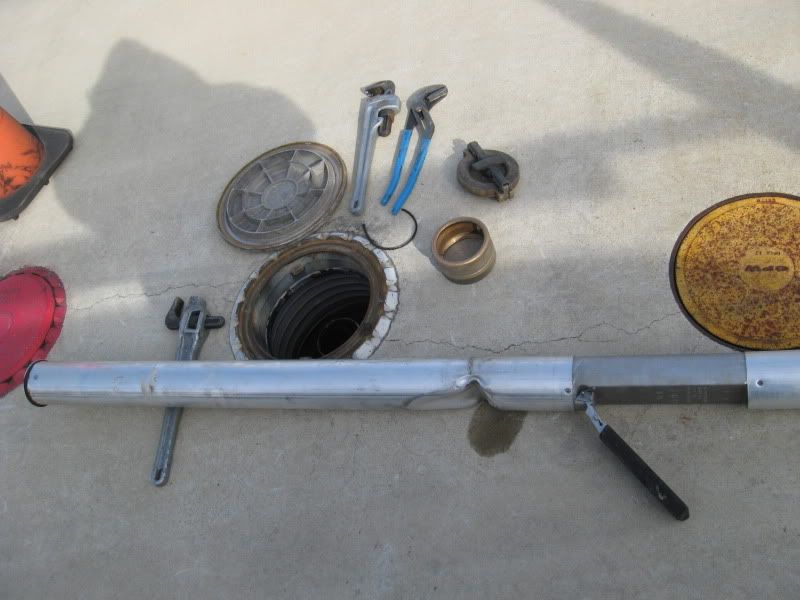
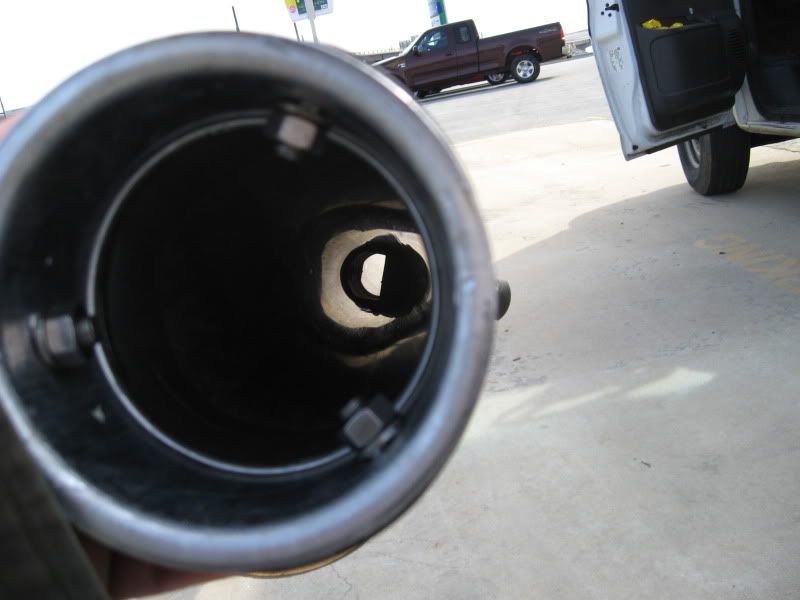
Heres the fuel drop , notice the cam locking cap off to the side , it has a place for a lock to prevent thieves with hoses and pumps . Next thing to notice is the pipe drop tube , its hard to make out in this pic but there is a aluminum pipe inside of the pipe. That drop tube goes to almost the bottom of the tank , alot also have a device built in with a float and a flapper valve to stop the flow in the drop tube when the tank gets close to full. The ones with the overflow check valve lose half the size do to the valve.
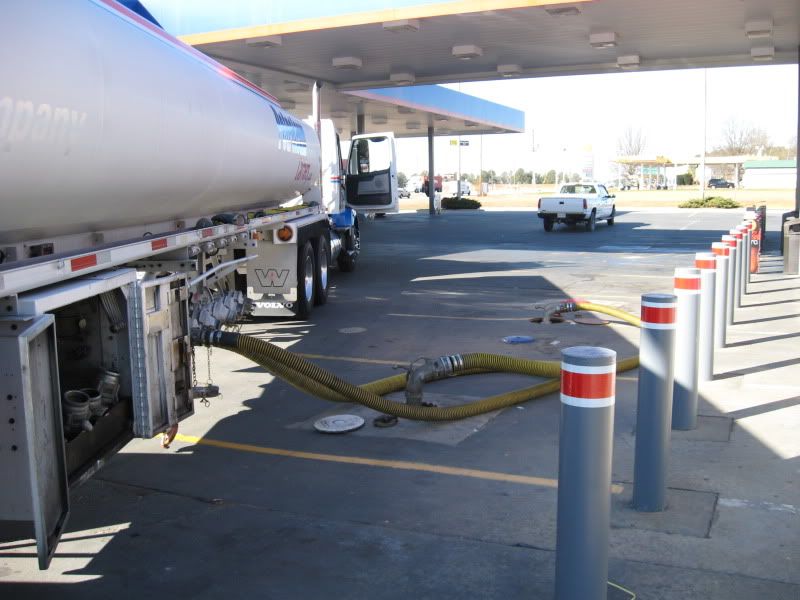
A tanker dropping fuel .. he is dropping reg and the other hose is hooked to the vapor recovery . This site has a single recovery point , white , blue and red covers but only one orange . Some site have a recovery for each tank some just have a single point that is connected to all the tanks. The truck has bulk heads in the tank that separate the products it is carrying . If I look at the pic you will notice where the hose connected to the tanker the other connections for the other tanks.
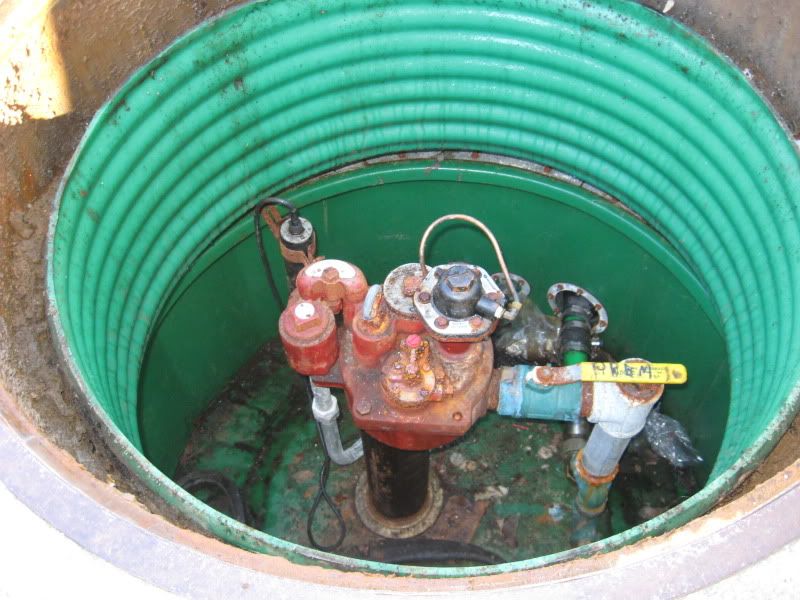
This is the STP head , the STP is connected via 1.5 inch schedule 40 steel pipe about 12 feet below. The head contains check valves , leak detectors , and electrical connections . Here you can also notice the riser hieght above the tank , about 3 foot here on this one, normally they do not exceed 4 foot because with the tank being 92" to 126" in most retail installs it takes more and more to move it out the ground. I have not saw the bottom of the tank more then 15 feet below ground level . Note the tank monitor sump probe off to the side , it senses water or fuel in the sump.
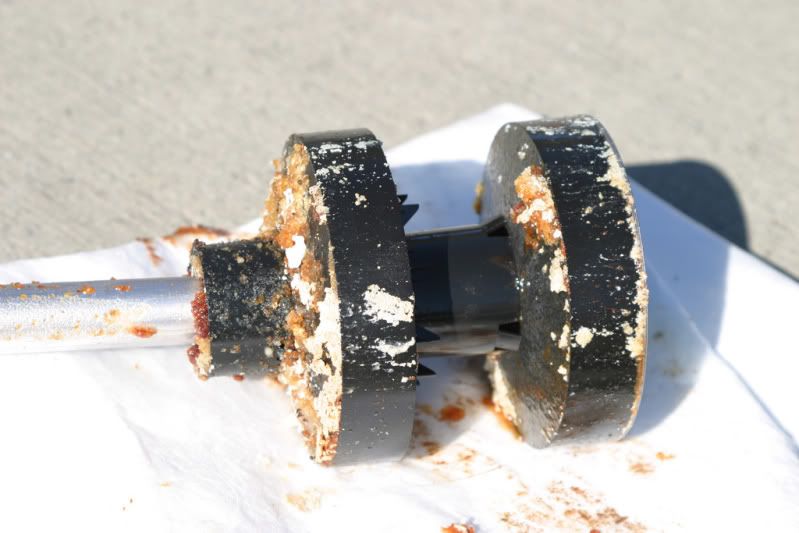
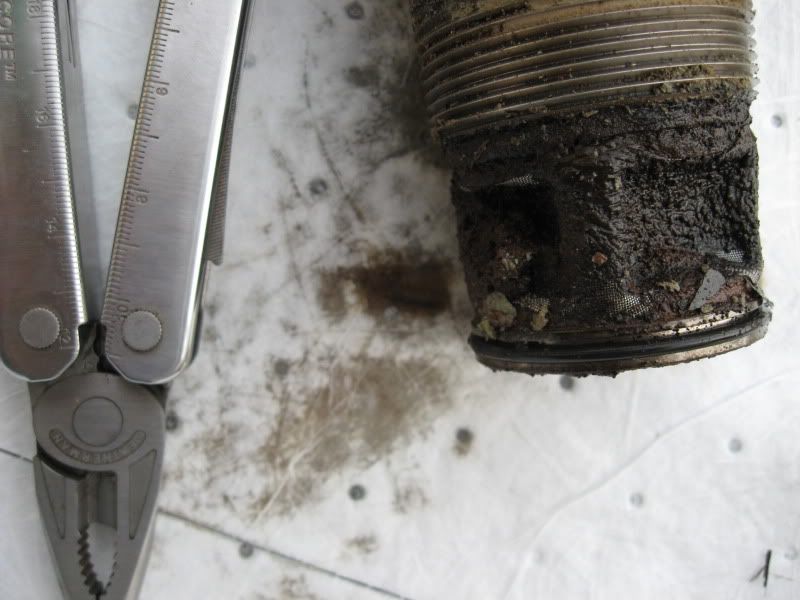
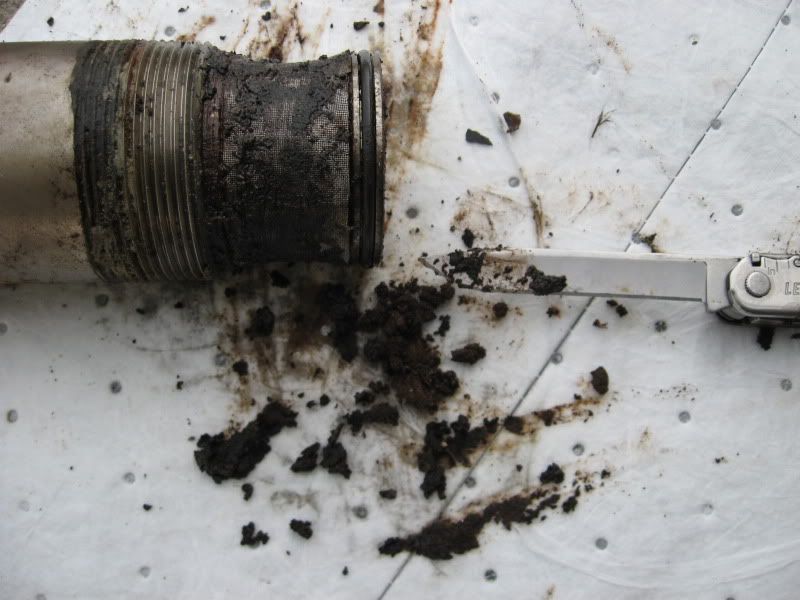
Just floats on a probe for the tank monitor. Note the gunk , they were in a diesel tank now you see why filters are a good thing. The small float floats on the surface giving fuel level readings the other float is designed to float on the water but not the diesel to give water level readings in a tank.
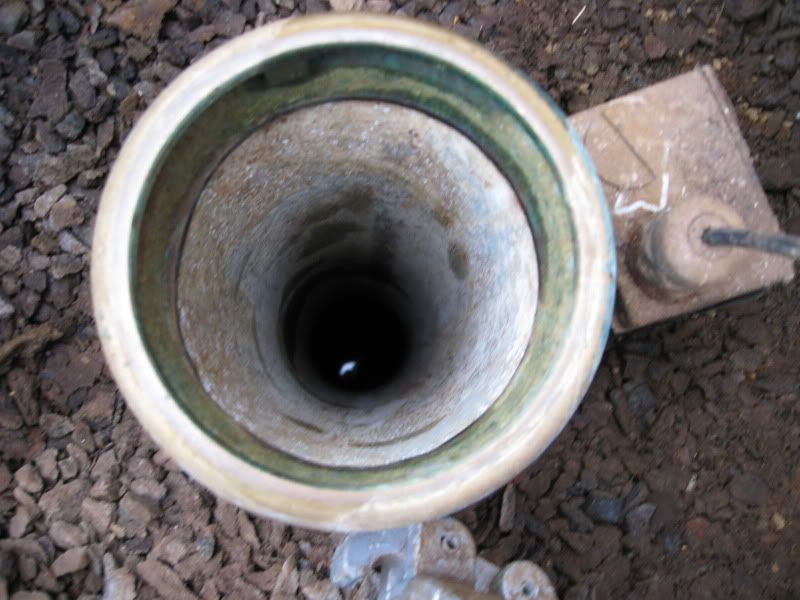
The cap for the probe is very similar to the fill cap but has a fitting for the wire and no locking holes. The wire goes a couple of feet down to the probe .Then is what is called a fill adapter which is a brass quick connect fitting then is the riser which is nothing but the pipe screwed into the top of the tank. note the gap between the rock fill and the sump sides..... Black widows love that ....alot ......
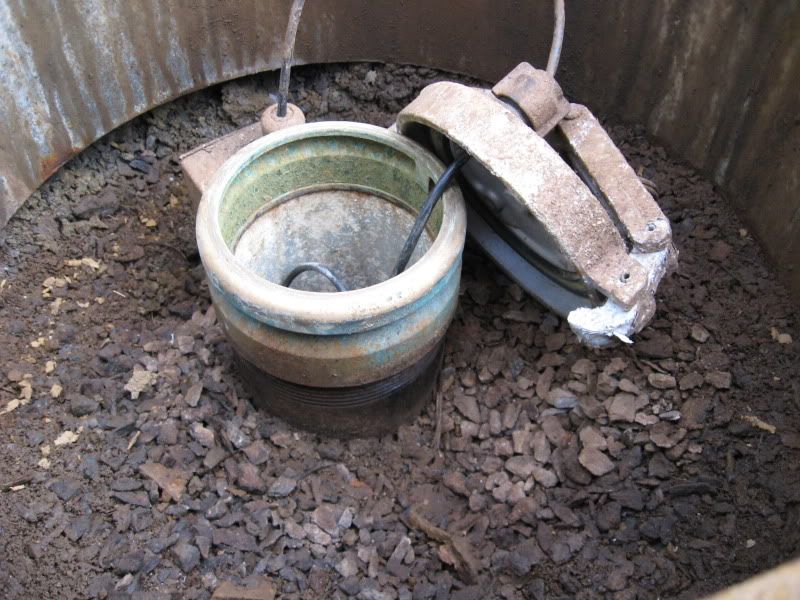
Hey 4328 gals of midgrade down there .....
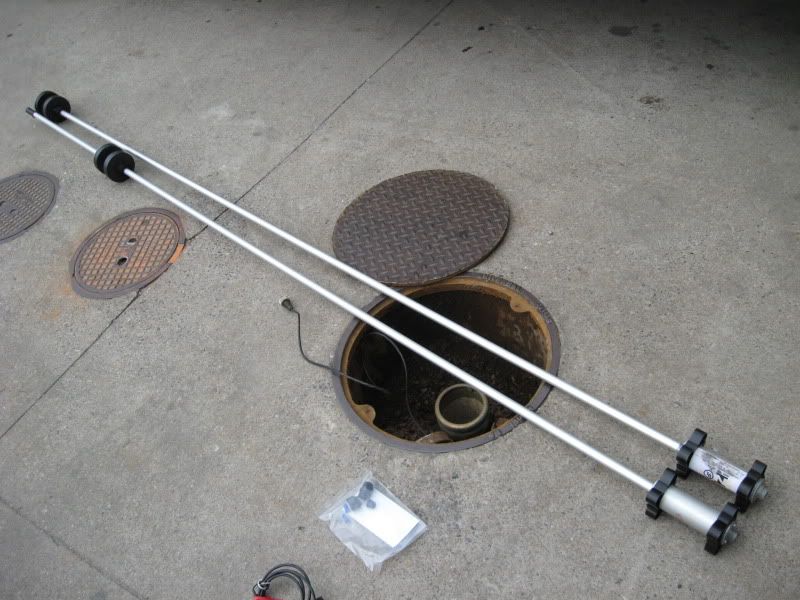
The bad and new probe and a pic of it all from eye level ... 8 foot probes note the 2 floats one for water and one for the fuel level .
Tank monitor
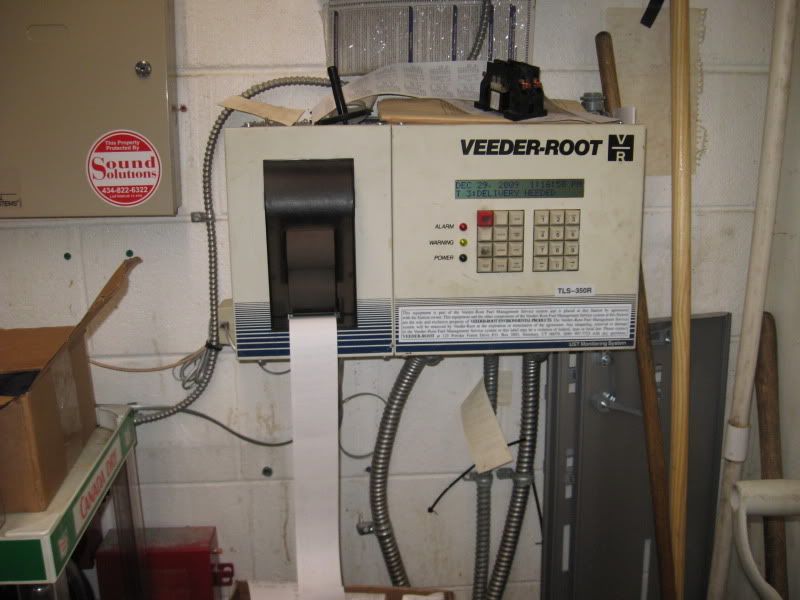
Ah the tank monitor , this simple tan box made by veeder root is a very modular component . This brand is the most common and most of the time hidden in a back room but if you do see one up front take good note of it , it can tell you alot about the station . These things are as modular as a AR from kiss ones that just give fuel and water levels in the tank that do basic scheduled tank leak test to full deck out ones that control the stps , monitor line pressure and check for leaks , inventory reticulation with the point of sale and monitor all sorts on sensors around the station shuting down things as needed. They can call out to report problems via fax or internet and be dialed into the same methods , I can dial into them from my laptop and see tank levels and anything else that I could if I was there in front of it.
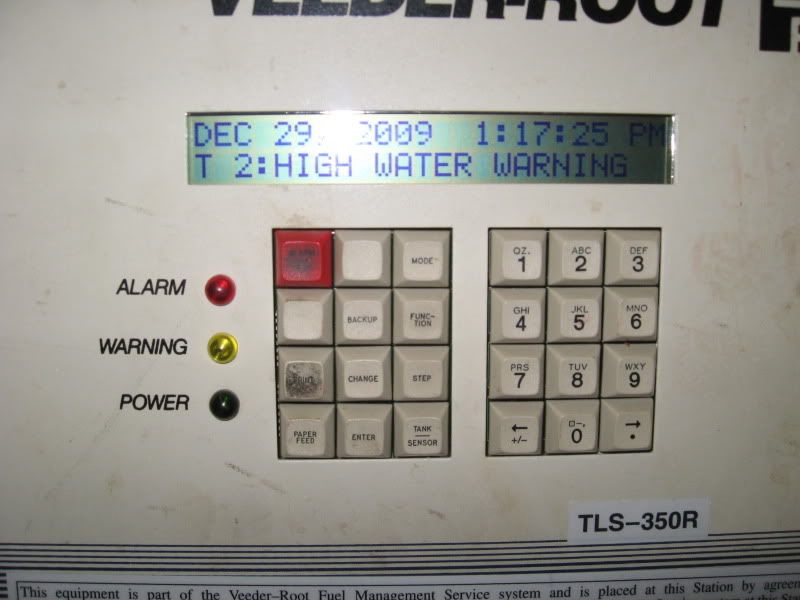
Oh noes High water , This was very common untill the ethanol switch over . I very rarely see high water alarms any more .....
This is a work in progress .
This thread is to explain how stations work , a few tips to get cleaner fuel and what to look for.
OK First things first Gas Pumps are not the same as Dispensers . Most modern Stations Have what are called Submersible Turbine Pumps or STP for short . Normally Each tank has one STP which provide fuel to all the dispensers for that product . But of course there are exceptions to every rule , I just installed 2 stations in NC that have real gas pumps or pumps in the dispenser . Most of the time you can hear a pump in a dispenser , they are fairly loud compared to a dispenser on a STP.
Dispensers ... errr Pumps to most ppl
This is about simplest dispenser ,
A look in side , no pump in here , theres a incoming line , a meter which measures the fuel , a filter and a 2 stage valve.
A shear valve or Impact Valve . It cuts the flow of fuel off it shook hard .... car hitting the pump to prevent a gas fountain . Note the test port. Cant remember the pipe size for it right now .. maybe 1/4 or a size bigger standard pipe thread.
Standard dispensers flow 6-10 gals per minute
Ultra High flow truck stop dispensers 12 to 60 gals per minute ... How yall diesel owners love these babies , fill the tank in less then a minute and your done ..STOP DO NOT FILL YOUR TRUCK ON THESE . They are unfiltered and most of the time no strainers either ... I have spent literally days cleaning gunk out of these that goes directly in your tank .
Pumps like this is what you should get diesel on ... doesnt have to be that model of pump but note the how it has both diesel and gas , we call these 3+1 of 5+1s depending on the model . In other words it can blend 3 or 5 "grades" of gas plus have a totally separate product. .... thats my truck
What does it take electrically
The back room of most modern gas stations built in the last 20 years , Breaker panels , Communication boxes for the Credit side and the pump side of a Dispenser , tank monitor , Relay boxes and various other sub systems . One failure back here can easily take down the entire site.
The first pic is of a typical WAYNE brand equipment site about 15 years old the 2nd is of a Gilbarco brand equipment site 15-10 years old.
A close up of the standard relay we use for STPs . 220-240 volt .. 120 of course per leg and is activated by a 120 volt signal . The STP pulls about 5 amps depending on size .. no less then 3amps no more the 6.5 amps . If its not in that spec theres something wrong.
Tank fields
Cap colors
White =Regular 87
Blue = Midgrade 89-91
Red = Premium 93
Yellow= Diesel
Brown = Kero
Green = Offroad dsl
Typical Tank field , note theres a Premium Midgrade and Regular tank here . Note the extra manhole covers , more on them in a later pic.
Heres another tank field , A regular tank and a premium Tank ....... where did the midgrade go ... they are selling midgrade.... This is a blended site the dispensers mix the premium and the regular to make midgrade . If you are a midgrade buyer be somewhat cautious of these sites . There is a little fudge factor in a most blends . 89 oct for instance is allowed from 65% reg 35% premium to 70%,30% .... Some Brands mandate a certain blend , BP and Exxons mandate that there sites run 65 35 , shell 66 34 most others its a crap shoot. I have been to sites that have been way out of spec on purpose to give the customer more regular in which case I got the MAN involved , I hate thieves.
Ok heres a tank layout . The first hole "Blue" is where the fuel is droped , the second is vapor recovery that has a plunger valve that prevents fuel from being dropped there but vapor to escape when the driver connects the vapor recovery line to it and to the truck. The next cap is where the probe for the tank monitor is located , the next one here is for the tank wall access to install sensors between the inner and outer tank walls on a double walled tank. The big one on the end is where the STP head is located , more on that in a later pic.
Heres the fuel drop , notice the cam locking cap off to the side , it has a place for a lock to prevent thieves with hoses and pumps . Next thing to notice is the pipe drop tube , its hard to make out in this pic but there is a aluminum pipe inside of the pipe. That drop tube goes to almost the bottom of the tank , alot also have a device built in with a float and a flapper valve to stop the flow in the drop tube when the tank gets close to full. The ones with the overflow check valve lose half the size do to the valve.
A tanker dropping fuel .. he is dropping reg and the other hose is hooked to the vapor recovery . This site has a single recovery point , white , blue and red covers but only one orange . Some site have a recovery for each tank some just have a single point that is connected to all the tanks. The truck has bulk heads in the tank that separate the products it is carrying . If I look at the pic you will notice where the hose connected to the tanker the other connections for the other tanks.
This is the STP head , the STP is connected via 1.5 inch schedule 40 steel pipe about 12 feet below. The head contains check valves , leak detectors , and electrical connections . Here you can also notice the riser hieght above the tank , about 3 foot here on this one, normally they do not exceed 4 foot because with the tank being 92" to 126" in most retail installs it takes more and more to move it out the ground. I have not saw the bottom of the tank more then 15 feet below ground level . Note the tank monitor sump probe off to the side , it senses water or fuel in the sump.
Just floats on a probe for the tank monitor. Note the gunk , they were in a diesel tank now you see why filters are a good thing. The small float floats on the surface giving fuel level readings the other float is designed to float on the water but not the diesel to give water level readings in a tank.
The cap for the probe is very similar to the fill cap but has a fitting for the wire and no locking holes. The wire goes a couple of feet down to the probe .Then is what is called a fill adapter which is a brass quick connect fitting then is the riser which is nothing but the pipe screwed into the top of the tank. note the gap between the rock fill and the sump sides..... Black widows love that ....alot ......
Hey 4328 gals of midgrade down there .....
The bad and new probe and a pic of it all from eye level ... 8 foot probes note the 2 floats one for water and one for the fuel level .
Tank monitor
Ah the tank monitor , this simple tan box made by veeder root is a very modular component . This brand is the most common and most of the time hidden in a back room but if you do see one up front take good note of it , it can tell you alot about the station . These things are as modular as a AR from kiss ones that just give fuel and water levels in the tank that do basic scheduled tank leak test to full deck out ones that control the stps , monitor line pressure and check for leaks , inventory reticulation with the point of sale and monitor all sorts on sensors around the station shuting down things as needed. They can call out to report problems via fax or internet and be dialed into the same methods , I can dial into them from my laptop and see tank levels and anything else that I could if I was there in front of it.
Oh noes High water , This was very common untill the ethanol switch over . I very rarely see high water alarms any more .....
Comment